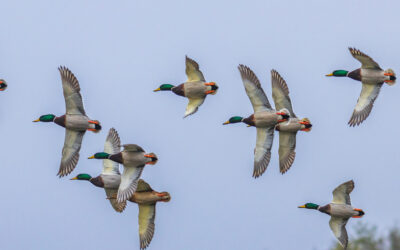
Opening day of Arkansas’s regular duck season is just over a month away, and for anyone who owns or leases hunting ground, the real work happens well before the first flight of the season. Whether you manage a flooded timber hole, a rice field reservoir, or a pit blind on the edge of a lake, now is the time to walk the property and make sure it’s ready.
Know the 2026-27 dates
The Arkansas Game and Fish Commission has set the regular duck, coot, and merganser season in three segments: November 21-29, December 10-23, and December 26 through January 31. Worth noting: a couple of AGFC publications originally listed the first segment as ending December 1, but the agency has since corrected that — the first segment ends November 29. Early teal season ran September 19-27, and the youth, veteran, and active-duty military hunt is scheduled for February 6-7, 2027. Always confirm dates on the AGFC waterfowl page before you hunt, since that’s the authoritative source.
The property checklist
Water control
Water is the single biggest factor in whether a property holds ducks. Walk your levees and check for washouts, muskrat damage, and low spots. Test pumps and wells before you need them, not the week you plan to flood. Inspect risers, flashboards, and pipes for leaks or blockages, and make sure you know what a realistic flooding timeline looks like for each unit so water is in place when birds arrive.
Food and cover
Look at what’s actually on the ground. Harvested rice and bean fields, moist-soil plants, and acorn-producing timber all draw ducks, but only if there’s food at the depth ducks can reach. Scout early and often — what you see in October often differs from what you’ll see in December.
Blinds, boats, and access
Repair or rebuild blinds before the season, not during it. Check boat motors, trailers, ATVs, and any ramps or access roads. A washed-out road or a dead battery on opening morning is an avoidable problem.
Boundaries, signage, and neighbors
Make sure property lines are clearly marked and posted, and talk to neighboring landowners and clubs about shared boundaries and shooting hours. Good fences — and good communication — prevent disputes, especially in a season when hunting pressure is a growing topic across the state.
Leases, insurance, and liability
If you lease hunting rights or host guests, review your lease agreements and your insurance coverage before the season starts. Confirm that liability coverage is current, that written lease terms are clear on who’s responsible for what, and that anyone hunting on your property understands the rules.
Licenses and paperwork
Make sure everyone in your party has the required state hunting license, state waterfowl stamp, and federal duck stamp, plus any other registrations the AGFC requires. Rules for hunters and public areas can change from year to year, so it’s worth double-checking.
If you hunt public land, plan around the new rules
The Commission has introduced pressure-management changes for 2026-27, including new non-motorized zones on Bayou Meto, Black River, and Shirey Bay, a paddle-only Galla Creek, new permit hunts at Prairie Bayou, Buckingham Flats, and Wiville West, and non-resident restrictions on the Dave Donaldson Black River WMA during the first segment. We broke down the details in our recap of this year’s Greenhead magazine issue, and the full editor’s letter is available at greenhead.net.
A strong season starts now
A well-prepared property doesn’t guarantee a limit, but a neglected one almost guarantees disappointment. With mallard numbers at their lowest level in more than 30 years, the birds that do come south are going to concentrate where food, water, and low pressure line up. A little work this month goes a long way toward making your ground one of those places.
Thinking about buying or selling hunting ground this season, or want a second set of eyes on a property’s water control and habitat? Reach out to Lile Real Estate — we’ve been helping duck hunters find and sell Delta ground for more than 30 years.