Every summer, U.S. Fish and Wildlife Service crews fan out across roughly two million square miles of breeding habitat in Alaska, Canada, and the northern United States — by airplane, helicopter, and on the ground — to count ducks. On September 1, the USFWS released the final 2026 Waterfowl Population Status Report, and the numbers give hunters and landowners a clear, if mixed, picture heading into the season.
Mallards hit a 33-year low
The headline number is the one most of our clients care about most: mallards. The breeding population came in at 5.9 million, down 11 percent from 2025 and 26 percent below the long-term average — the ninth-lowest estimate on record and the lowest since 1993. Ducks Unlimited Chief Scientist Dr. Steve Adair pointed to last year’s dry conditions as the likely driver, noting that 2025 saw the lowest recorded May pond count since 2004, which almost certainly suppressed production and fed into this year’s decline in returning breeding birds.
Total breeding ducks across the traditional survey area held roughly steady at 33.4 million, essentially unchanged from 2025’s 33.9 million but still 6 percent below the long-term average. Pintails fell 11 percent to 1.9 million, now 48 percent below their long-term average, while blue-winged teal dropped 11 percent to 3.9 million, 22 percent below average. Not every species is struggling, though — diving ducks are a genuine bright spot, with redheads running 26 percent above their long-term average and canvasbacks 32 percent above.
The habitat picture is more encouraging
There’s real reason for cautious optimism in the pond count. May ponds — the best proxy for nesting habitat — came in at 4.8 million, a 14 percent increase over 2025, though still 9 percent below the long-term average. The improvement was driven almost entirely by Prairie Canada, where pond numbers jumped 29 percent on above-average spring precipitation. The U.S. side of the prairies moved the other direction, with pond counts down 10 percent as drier conditions persisted there.
Dr. Adair struck a hopeful note on this front: despite below-average breeding populations for most species, improved habitat conditions across the major breeding regions bode well for a moderate increase in young birds flying south this fall, and — more importantly for the long game — there’s hope those wetland conditions carry over to benefit nesting ducks again in 2027.
What it means for regulations
Here’s the counterintuitive part: despite the mallard decline, the companion Adaptive Harvest Management report indicates the USFWS is expected to recommend liberal season frameworks across all four flyways for 2027-2028. A few specific changes are already signaled. Pintail hunters should plan on a three-bird daily bag limit under the interim pintail harvest strategy. Blue-winged teal numbers support a nine-day early teal season for 2027. And Atlantic flyway hunters are moving to a three-mallard bag limit with no sex restriction under a newly adopted eastern mallard harvest strategy — a reminder that the eastern survey area, covering eastern Canada down through Virginia to Maine, held essentially steady while the traditional survey area (including the Mississippi Flyway birds that matter most to Arkansas hunters) did not.
What it means on the ground
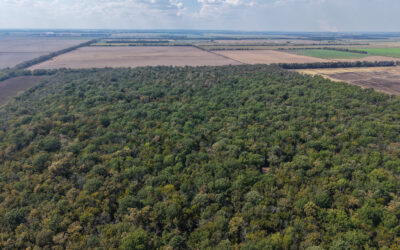
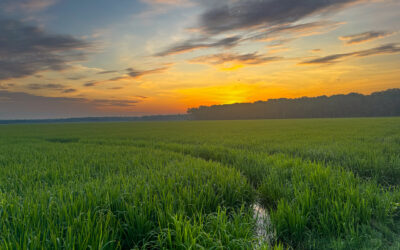
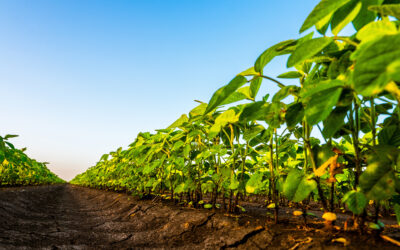
For landowners and hunters in the Delta, the practical takeaway hasn’t changed, even with a clearer picture of the numbers: with mallards at a three-decade low and habitat conditions still below average despite this year’s improvement, the birds that do come south are going to concentrate wherever food and water are most reliable. Greentimber, moist-soil units, and flooded rice and bean fields with dependable water control aren’t just nice amenities this year — they’re the difference between a property that holds ducks through a season and one that doesn’t. That’s showing up in how serious buyers evaluate hunting properties, with water control infrastructure — wells, reservoirs, levees, pumps — increasingly treated as essential rather than optional when appraising recreational and dual-purpose ag/hunting ground.
Looking ahead
The Prairie Pothole Region still produces more than half of North America’s breeding ducks each year despite having lost an estimated 50 to 90 percent of its historic wetlands, which is exactly why this year’s rebound in Prairie Canada ponds matters so much for next year’s outlook — and why conservation investment there continues regardless of any single year’s numbers. None of this is cause for alarm on its own; duck populations move in cycles, and an improving Duck Factory is a genuinely encouraging sign. But it’s a good reminder to manage expectations for this season and to weigh habitat quality carefully when evaluating a property, whether you’re buying, selling, or simply deciding where to hunt opening weekend.
Evaluating a hunting property and want an honest read on its water control and habitat potential? Lile Real Estate has been connecting duck hunters with Delta ground for more than 30 years. Reach out — we’re happy to talk through what makes a property hold birds.