
Agricultural Land
Find Your Farmland
We have distinguished ourselves across the region as the top agricultural advisory firm in the Mid-South. Some of our staff members own and operate farms or come from farm families, so we know and understand many of the issues facing agricultural investors and sellers today.
How Farmland Is Valued
Farmland value is driven by a different set of factors than recreational or timber ground: soil type and productivity class, drainage, irrigation access, field shape and size (which affects equipment efficiency), and current lease income if the land is already being farmed. Two tracts of the same acreage in the same county can carry meaningfully different values once these factors are accounted for, which is why a proper valuation goes well beyond a simple price-per-acre comparison to nearby sales.
How the Process Works
Whether you’re buying your first tract or adding to an existing operation, we start by understanding what the land needs to do — row-crop production, pasture, a diversified investment, or a combination with recreational use. For sellers, that means building a marketing plan around the buyer pool most likely to value the property correctly: local operators, regional investors, and increasingly, 1031 exchange buyers relocating capital from other real estate into agricultural land. Larger or higher-demand tracts are sometimes sold via **sealed bid**, where qualified buyers submit their best offer by a set deadline, rather than an open-ended listing. Closing on agricultural land typically takes longer than a home purchase — 45 to 90 days is common — particularly when a lease is being transferred or a survey is needed.
Who We Work With
Our agricultural clients include multi-generation farm families expanding or transitioning operations, cattle and row-crop producers, and investors — from regional buyers to institutional and 1031 exchange investors — looking to add farmland to a broader portfolio for its combination of cash flow, inflation-hedge characteristics, and long-term appreciation. On the sell side, we work with landowners at every stage, from active operators to families managing inherited farmland who may not be involved in day-to-day operations themselves.
Financing & Tax Notes
Farmland financing differs from a conventional mortgage — down payments are typically larger and terms shorter, though buyers who qualify may have access to USDA Farm Service Agency loan programs, including options for beginning farmers and ranchers, on more favorable terms than conventional financing. On the tax side, Arkansas, Tennessee, Mississippi, and Louisiana each offer some form of reduced property tax assessment for land in active agricultural use rather than full market-value assessment, and farmland sellers reinvesting proceeds into another qualifying property sometimes use a 1031 exchange to defer capital gains tax. Both are worth discussing with a CPA or tax advisor early in the process — the eligibility rules and, for a 1031 exchange, the IRS timelines are unforgiving if not set up correctly from the start.
Frequently Asked Questions
**How is farmland valued compared to recreational or timberland?**
Farmland value is driven heavily by soil type and productivity class, drainage, irrigation access, field shape and size, and recent lease income if the land is currently farmed.
**What is a current-use or agricultural assessment, and how does it affect property taxes?**
Arkansas, Tennessee, Mississippi, and Louisiana each offer some form of reduced property tax assessment for land actively used for farming, timber, or open space, rather than full market-value assessment. Tennessee’s is the Greenbelt Law. Rules vary by state and county or parish assessor.
**What is a 1031 exchange, and how can it help when selling farmland?**
A 1031 like-kind exchange lets a seller defer capital gains tax on investment or business-use real estate by reinvesting proceeds into another qualifying property, under strict IRS timelines: generally 45 days to identify a replacement property and 180 days to close, through a qualified intermediary. A CPA or exchange specialist should be involved before the sale, not after.
**Are there special USDA/FSA loan programs for buying farmland?**
Yes. The USDA Farm Service Agency offers Farm Ownership Loans and other programs, including options for beginning farmers and ranchers, that can offer more favorable terms than conventional land financing for qualifying buyers.
Farmland As An Investment
Agricultural commodity production lands have proven over many decades to be a viable and successful component to an investor’s portfolio.
Technical Land Knowledge
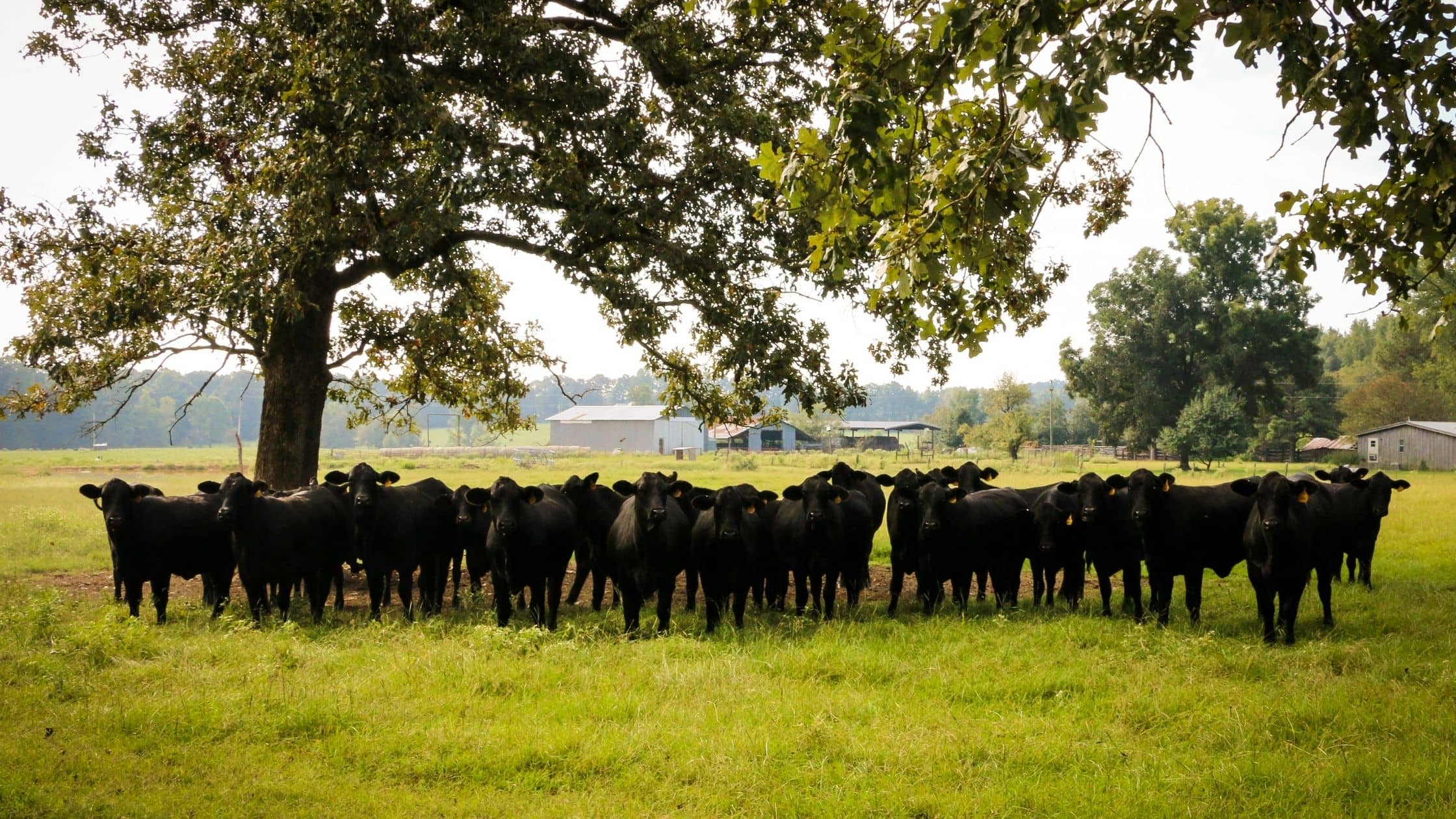
We know farmers because we are farmers. We bring decades of experience in the selling, operation, management, and acquisition of agricultural land.
farmland as an investment
Diversify Your Portfolio
Investors in the agricultural sector can benefit from many aspects in ownership such as inflation hedge, annual cash flow, and the added bonus under certain circumstances of personal recreational opportunities.
Agricultural Experts
We love working with people who care about the world’s most precious resource – land. Whether you want a small plot or a 5,000-acre farm, we’ll match you with the right property for your needs.
technical land knowledge
Expect Expert Analysis
We work with conservationists, biologists, government agencies, appraisers, surveyors, and other land experts to help you evaluate and develop your property to its fullest potential.
Three Decades of Industry Connections
Since 1993, we’ve been building our roster of trusted experts and industry connections to better serve our clients’ land needs.
Stay Social
Like and Follow to keep up with new listings and price drops!